
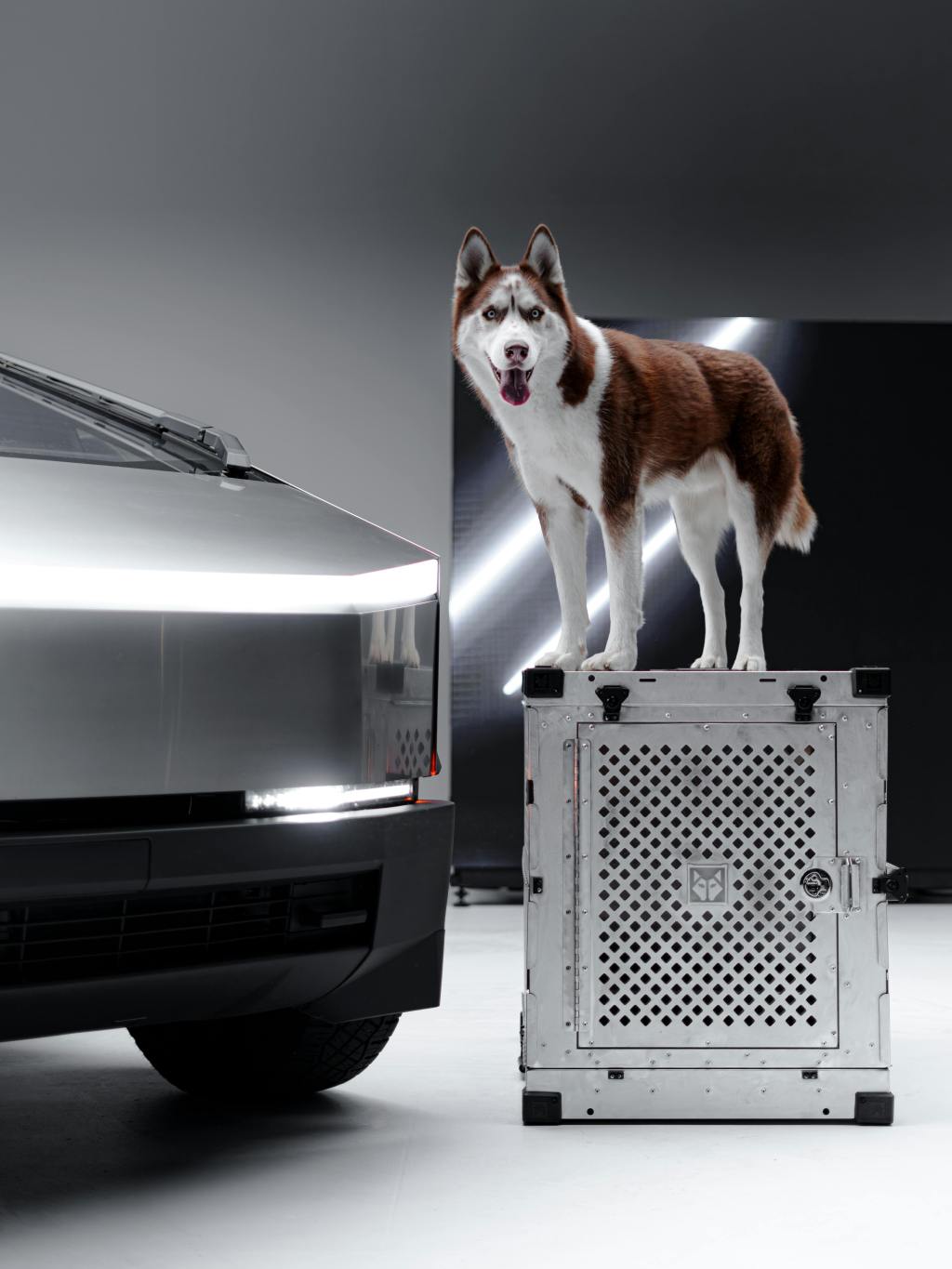
Choosing the right dog crate can feel overwhelming, especially when deciding between two of the toughest materials: aluminum and steel. Both options offer durability and security, but they also come with distinct advantages and disadvantages. To help you make an informed decision, let’s break down the key differences and find out which one is the best choice for your dog.
Key Factors to Consider When Choosing a Dog Crate
Before diving into the aluminum versus steel debate, it’s essential to understand the critical factors that make a crate suitable for your dog:
- Durability and Strength: Can it withstand chewing and heavy impacts?
- Portability: Is it lightweight and easy to move around?
- Safety and Security: Does it prevent breakouts and injuries?
- Rust and Corrosion Resistance: Will it hold up in humid or outdoor environments?
- Ventilation: Does it provide adequate airflow to keep your dog comfortable?
- Maintenance: Is it easy to clean and maintain over time?
Now that we know what to look for, let’s compare aluminum and steel crates based on these factors.
Durability and Strength: Aluminum vs. Steel
Aluminum crates are well-known for their strength-to-weight ratio, which means they can handle heavy impacts without bending or breaking while remaining lightweight. Made from aircraft-grade aluminum, these crates are designed to withstand chewing and aggressive behavior without giving way. They feature welded seams and reinforced corners, making them nearly indestructible, even for the most determined escape artists.
Steel crates, on the other hand, are extremely rugged and durable but tend to be much heavier. They are ideal for stationary use or when dealing with highly aggressive dogs that need a virtually indestructible crate. While steel is undeniably strong, it’s prone to rust over time, especially if the powder coating chips or scratches off. This rust can weaken the structure and create sharp edges that pose a risk to your dog.
In terms of sheer strength, both materials hold up well, but aluminum’s combination of durability and lightness gives it an edge for everyday use and transport.
Portability: Aluminum Takes the Lead
One of aluminum’s biggest advantages is its lightweight nature. Even though it’s strong and impact-resistant, it’s significantly lighter than steel. This makes aluminum crates much easier to move, whether for travel, relocation, or just rearranging your space. Some models, like the Impact Collapsible Dog Crate, can even fold down for convenient storage and portability.
Steel crates, in contrast, are notoriously heavy. Moving a large steel crate can be a daunting task, especially without assistance. This makes them less practical for people who frequently travel or need to move the crate regularly.
When it comes to portability, aluminum crates clearly come out on top. They offer strength without the bulk, making them ideal for both stationary and travel use.
Safety and Security: Preventing Escapes
Aluminum crates are designed with escape-proof latches and reinforced doors, which prevent even the most cunning dogs from breaking free. The doors are often fitted with heavy-duty slam latches that are nearly impossible for dogs to manipulate. Additionally, the seamless construction of aluminum crates minimizes the chances of dogs injuring themselves while trying to escape.
Steel crates are also highly secure, but they have one major drawback: vulnerable weld points and bending potential. Over time, repeated pressure or chewing can cause the metal bars to bend or break, compromising security. Clever dogs may even manipulate weak locks or find a way to pry the door open.
When it comes to security, aluminum crates offer better peace of mind due to their solid construction and escape-proof designs.
Rust and Corrosion Resistance: Aluminum Shines Here
Aluminum has a natural resistance to rust and corrosion, making it the best choice for outdoor or humid environments. Whether exposed to rain, moisture, or drool, aluminum crates remain rust-free and maintain their structural integrity. This not only extends their lifespan but also makes them safer and more hygienic.
Steel crates, on the other hand, are prone to rust and corrosion, especially if the protective powder coating gets chipped or scratched. Once rust sets in, it can weaken the frame, making it more prone to bending or breaking. Rust can also create sharp, dangerous edges that pose a risk to your dog.
For long-term durability and low maintenance, aluminum is the clear winner in resisting rust and corrosion.
Ventilation and Comfort: Balanced Airflow Matters
Aluminum crates are designed with strategic ventilation holes that provide consistent airflow without compromising security. This makes them ideal for hot climates or long trips, as your dog stays cool and comfortable. The balanced airflow also reduces odor buildup, keeping the crate fresher for longer.
Steel crates often have open-bar designs, which offer excellent airflow but at the cost of exposure to drafts and external elements. While they are well-ventilated, the lack of shelter from environmental factors can make them uncomfortable in colder or windier conditions.
In terms of ventilation and comfort, aluminum crates strike the perfect balance, offering ample airflow without leaving dogs overexposed.
Maintenance and Hygiene: Easy Cleaning Is a Must
Aluminum crates are easy to clean and maintain. The smooth, non-porous surfaces resist dirt and grime, making it easy to wipe down with a damp cloth. Aluminum does not absorb odors, and it can be sanitized quickly after accidents or long travel days.
Steel crates, especially those that develop rust, can become difficult to clean thoroughly. Rusted areas can harbor bacteria, and once rust sets in, it’s hard to remove completely. This makes steel less practical for long-term use or for dogs prone to accidents.
For hygiene and low maintenance, aluminum is the superior choice, keeping both you and your dog happy.
Cost and Value: Investing in Longevity
Aluminum crates generally come with a higher initial cost compared to steel, but they pay off in the long run. Their durability, rust resistance, and low maintenance mean fewer replacements and repairs, making them a smart investment for dog owners. Plus, they hold their value well and are less prone to long-term damage.
Steel crates are typically cheaper upfront but may end up costing more over time due to maintenance issues, rust problems, and potential replacements. They are a cost-effective solution initially but can become a hassle as wear and tear set in.
When considering cost versus value, aluminum crates offer better long-term savings and reliability.
Final Verdict: Aluminum Dog Crates Are the Better Choice
While both aluminum and steel dog crates have their strengths, aluminum emerges as the better option for most dog owners. It offers the perfect combination of durability, security, rust resistance, and portability, making it versatile for both home and travel use. Steel crates, while sturdy and rugged, fall short when it comes to portability and long-term maintenance.
For the ultimate in quality and performance, check out Impact Dog Crates. Their line of aircraft-grade aluminum crates is built to withstand the test of time, providing unparalleled safety and comfort for your dog. Whether you have a high-anxiety escape artist or just want the best protection for your companion, Impact Dog Crates deliver on every level.






 Aluminum Dog Crates
Leave a comment