

When it comes to choosing the right dog crate, durability is one of the top factors that dog owners consider. Aluminum and plastic are two of the most common materials used in dog crates, but how do they stack up against each other in terms of longevity and performance? Let’s break down the key differences to help you make the best decision for your furry companion.
Durability: The Strength of Materials
Aluminum Dog Crates:

Aluminum crates are renowned for their incredible durability. Made from high-quality, rust-resistant aluminum, these crates can withstand heavy impacts, rough handling, and even the most determined chewers. Whether used at home or on the go, aluminum crates maintain their shape and structure over time, without bending or breaking. They are also resistant to corrosion, which makes them perfect for outdoor use or in humid environments.
Plastic Dog Crates:
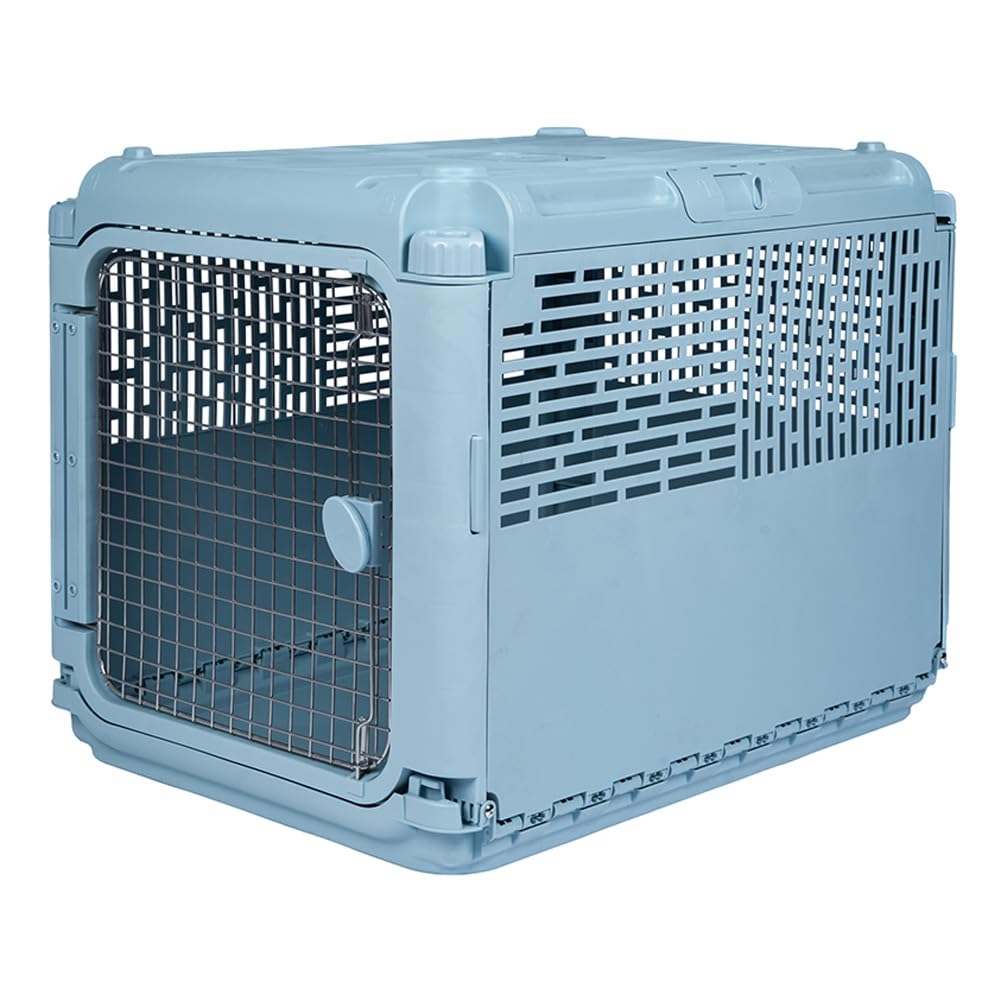
Plastic crates, while lightweight and affordable, tend to fall short when it comes to long-lasting performance. Over time, plastic becomes prone to cracking, especially if exposed to temperature changes or rough treatment. Chewing and scratching can weaken the structure, and once a plastic crate breaks, it’s challenging to repair or reinforce.
Winner: Aluminum. The superior strength and resistance to damage give aluminum crates a clear advantage over plastic when it comes to longevity.
Portability: Lightness vs. Strength
Aluminum Dog Crates:
One might think that because aluminum is metal, it would be heavy, but that’s not the case. Aluminum crates are surprisingly lightweight, especially considering their durability. This makes them easy to carry and transport while still offering the robustness needed for secure travel.
Plastic Dog Crates:
Plastic crates are generally lighter than aluminum, which makes them convenient for short trips or occasional use. However, they lack the structural integrity that aluminum provides, meaning they can warp or crack during transit, reducing their lifespan significantly.
Winner: Aluminum. While plastic may be slightly lighter, the combination of lightness and strength in aluminum makes it far more practical and durable.
Maintenance and Cleanliness
Aluminum Dog Crates:
Aluminum crates are simple to clean and maintain. The smooth, rust-resistant surface means you can wipe down messes easily without worrying about corrosion or buildup. Additionally, aluminum does not retain odors, which keeps your pet’s space smelling fresh.
Plastic Dog Crates:
Plastic can absorb odors over time, making thorough cleaning a challenge. Plus, scratches and grooves can harbor bacteria, posing health risks for your dog. Cleaning can become a tedious chore, especially after long-term use.
Winner: Aluminum. Maintenance is minimal compared to plastic, making it more hygienic and longer-lasting.
Safety and Security
Aluminum Dog Crates:
With reinforced corners, heavy-duty latches, and secure locking mechanisms, aluminum crates excel at keeping your dog safely contained. They’re nearly impossible to break out of, even for the most determined escape artists.
Plastic Dog Crates:
Plastic crates can be chewed through or pushed apart by strong or anxious dogs. While some models come with metal grates on the doors, the overall structure often lacks the rigidity needed for secure containment.
Winner: Aluminum. Safety is paramount, and aluminum crates provide unmatched security and peace of mind.
Weather and Environmental Resistance
Aluminum Dog Crates:
Aluminum is resistant to rust, corrosion, and temperature extremes. It’s an excellent choice for both indoor and outdoor use, as it doesn’t degrade under exposure to sunlight or moisture.
Plastic Dog Crates:
Plastic can become brittle in cold temperatures and may warp or crack when exposed to excessive heat. UV exposure can also weaken the material over time, causing fading and brittleness.
Winner: Aluminum. Its resistance to environmental factors makes it the best long-term choice.
Cost vs. Value
Aluminum Dog Crates:
While the upfront cost of aluminum crates may be higher, the long-term value justifies the investment. You’re paying for durability, safety, and quality that lasts for years, if not decades.
Plastic Dog Crates:
Plastic crates are usually cheaper initially, but frequent replacements due to wear and tear add up over time. You may save a few bucks upfront, but the long-term cost can quickly outweigh the benefits.
Winner: Aluminum. It’s a classic case of “you get what you pay for,” and aluminum offers lasting value.
Final Verdict: Aluminum Takes the Crown
When comparing aluminum and plastic dog crates, it’s clear that aluminum wins in almost every category—durability, portability, maintenance, safety, weather resistance, and long-term value. Investing in an aluminum dog crate means choosing quality that stands the test of time, providing your dog with a safe, comfortable space both at home and on the road.
Upgrade Your Dog’s Crate Today
Discover the ultimate in dog crate durability with Impact Dog Crates. Engineered with superior aluminum construction, these crates offer the safety and comfort your dog deserves. From travel to home use, Impact Dog Crates deliver reliability and peace of mind every time.
Check out their collection now to find the perfect fit for your pet and experience the difference in quality firsthand!






 Aluminum Dog Crates
Leave a comment