
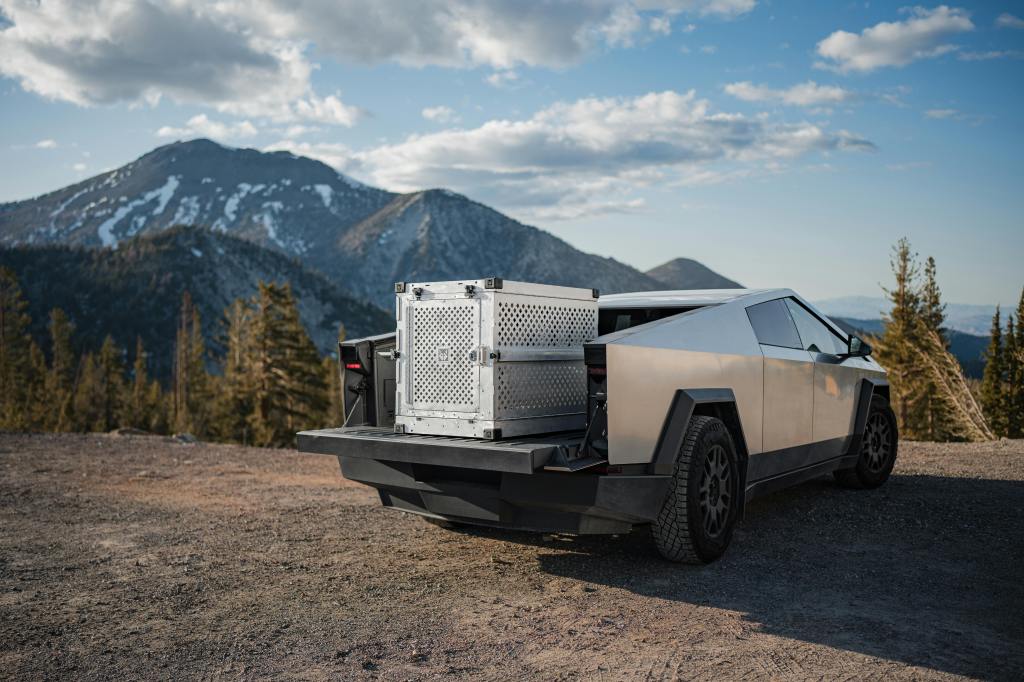
Transporting your dog in a vehicle comes with a big responsibility: ensuring their safety in case of sudden stops, sharp turns, or accidents. While aluminum dog crates offer unmatched strength and durability, their benefits only go so far if the crate itself isn’t properly secured inside your vehicle.
Whether you drive a compact SUV, a full-sized truck, or a van equipped for working dogs, learning how to anchor your crate the right way is essential. In this guide, we’ll cover the best methods and tools for securing an aluminum crate in your vehicle, what to avoid, and how to make transport as safe and stress-free as possible for both you and your dog.
1. Why Proper Crate Securing Matters
Aluminum crates are known for being solid and crash-resistant, but even the strongest crate can become dangerous if it’s not secured. In the event of a collision or even a fast corner, an unanchored crate can:
- Slide, roll, or tip over
- Become a projectile, putting passengers and pets at risk
- Cause trauma or injury to your dog from impact
According to the American Kennel Club, the safest way to transport your dog is inside a crash-tested crate that’s properly secured within your vehicle. Crates designed for travel often include built-in tie-down points or compatibility with vehicle anchor systems.
2. Choose the Right Spot in Your Vehicle
Before securing the crate, decide where it will go. The best location depends on your vehicle type and your dog’s size:
- SUV or Hatchback: The rear cargo area is ideal. Fold the seats down if needed for more space.
- Truck: Crate can go in the truck bed (with a cover) or in the cab for better climate control.
- Van: Use the cargo area or a secured side panel near ventilation.
Avoid placing the crate on seats or loosely on folded-down seats—this can cause sliding or instability during transit.
Pro tip: If possible, position the crate sideways (door facing out) for easier access and to evenly distribute force across the strongest side of the crate in a sudden stop.
3. Use Built-In Tie-Down Points
Many aluminum crates are built with pre-drilled tie-down holes or brackets. These are designed to work with ratchet straps, D-rings, or cargo loops to secure the crate directly to your vehicle’s floor or built-in cargo tie-downs.
Steps to use tie-down points:
- Locate your vehicle’s cargo tie-down anchors (usually in the floor or walls of the cargo space).
- Thread ratchet straps or heavy-duty tie-down straps through the crate’s tie-down holes.
- Attach the ends to the vehicle’s anchor points and tighten until there’s zero movement.
- Check for any rocking, sliding, or tension imbalances.
Avoid using bungee cords, rope, or lightweight straps—they stretch and can snap during impact.
4. Consider a Crate Base or Mounting Plate
Some crates are compatible with mounting plates or bases that bolt into your vehicle. These are ideal for:
- Long-term crate installation in working vehicles
- K9 units or search-and-rescue trucks
- Preventing crate movement in heavy terrain or off-road
These systems allow the crate to lock into place without straps, and they often include quick-release systems for easy removal when needed.
5. Prevent Movement With Non-Slip Mats or Liners
In addition to tie-downs, place a non-slip mat, rubber liner, or crate mat under the crate. This adds friction between the crate and the vehicle floor to prevent sliding during minor movements or road vibrations.
Great options include:
- Heavy-duty yoga mats
- Truck bed liners
- Cargo-specific rubber mats with raised edges
These mats also reduce rattling and road noise, which can make the ride more comfortable for your dog.
6. Ensure the Crate Door Is Accessible and Facing Out
When loading the crate into your vehicle, make sure the door faces the rear or side (depending on your vehicle layout). This ensures:
- Easy access to your dog in case of emergency
- Quicker loading and unloading
- Better airflow and visibility during travel
Avoid placing the door against a seat or closed surface—you don’t want to have to pull the entire crate out just to let your dog out.
7. Test It Before You Drive
Before hitting the road:
- Give the crate a gentle shake to make sure it’s firmly in place
- Check all strap tension and tie-down points
- Confirm that no corners are pressing into weak parts of your interior
- Drive around the block and listen for rattling or shifting
If you hear movement, re-tighten the straps or add more support underneath.
8. Be Mindful of Temperature and Ventilation
Once the crate is secured, always check that your dog has plenty of airflow and shade. Aluminum crates offer excellent ventilation, but placement matters:
- Don’t block vent holes with gear
- Keep windows cracked if the crate is in a covered truck bed
- Use cooling mats or fans in warm weather
According to the Centers for Disease Control and Prevention (CDC), dogs are highly vulnerable to heat stress in enclosed vehicles—even with the windows cracked.
Final Thoughts: Secure Crate, Safe Ride
Aluminum crates are designed to withstand pressure and protect your dog—but only if they’re properly secured. With the right placement, tie-downs, and setup, your aluminum crate becomes a mobile safe zone, giving your dog the protection they need and giving you peace of mind every time you hit the road.Looking for a crate that’s travel-ready and built for secure transport? Check out the expertly engineered, vehicle-compatible options at Impact Dog Crates—designed for strength, trusted on the road.




 Aluminum Dog Crates
Leave a comment