
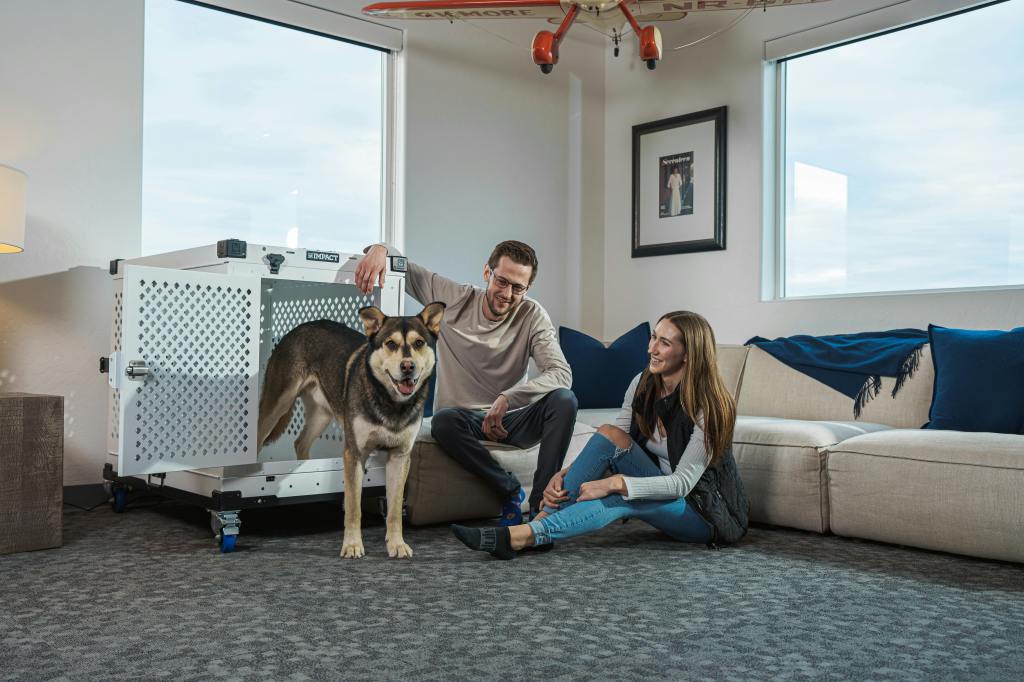
When your dog suffers from skin sensitivities, respiratory allergies, or environmental triggers, choosing the right crate is about much more than containment—it’s about comfort, hygiene, and health. Dogs with allergies need a controlled, clean space that won’t worsen their symptoms or expose them to harsh chemicals, irritants, or absorbent materials. That’s where aluminum dog crates shine.
Known for their non-porous, hypoallergenic construction and easy-to-sanitize surfaces, aluminum crates are among the best options for dogs with allergies or sensitivities. They resist buildup, prevent contamination, and create a safe zone where your dog can rest, recover, and relax without aggravating their condition.
Here’s why aluminum crates are ideal for allergy-prone dogs—and what to look for when selecting one.
1. Hypoallergenic, Non-Porous Material
Aluminum is naturally non-porous and does not harbor allergens like dust, pollen, mold, or bacteria. Unlike soft-sided crates or wire crates with fabric covers or foam linings, aluminum crates provide a clean, hard surface that can be wiped down in seconds.
This makes a huge difference for dogs with:
- Environmental allergies (e.g., pollen, dander, dust mites)
- Contact dermatitis caused by fabrics or chemical residues
- Respiratory sensitivities to mold, mildew, or airborne particles
By reducing exposure to these common triggers, an aluminum crate helps keep allergic reactions under control and supports a healthier environment overall.
2. Easy to Clean and Disinfect Without Absorption
For allergy management, frequent cleaning is essential—and aluminum makes it easy. Powder-coated aluminum crates can be cleaned using mild soap, water, or pet-safe disinfectants without risk of damage to the surface. They don’t absorb odors, stains, or chemicals, so there’s no long-term buildup.
After a walk in the rain or a trip to the park, your dog may bring allergens back inside. With aluminum crates, you can:
- Wipe down the walls, door, and base in minutes
- Use vet-approved cleaning agents without corrosion
- Avoid buildup of dander, fur, or saliva in crevices
This kind of maintenance is especially important for dogs with skin issues or recurring hot spots caused by bacterial exposure.
3. No Fabric, Foam, or Mesh That Traps Irritants
Many traditional crates rely on fabric panels, soft bedding, or foam inserts that trap allergens, hold onto fur, and develop mold over time. Aluminum crates eliminate those risks by design. Their solid walls don’t contain fibers or foams that can trigger contact allergies or respiratory reactions.
For extra sensitive dogs, this material difference can prevent:
- Skin flare-ups from detergents or dust
- Itchy, red paws or ears caused by contact with mold
- Sneezing or coughing due to allergens embedded in soft surfaces
Of course, you can still add washable pads or liners, but unlike other crates, the crate itself remains sterile and allergen-free between cleanings.
4. Powder-Coated Finishes That Prevent Irritation
The surface of a quality aluminum crate is often powder-coated, giving it a smooth, non-reactive finish that won’t irritate your dog’s skin or flake off over time. This coating is pet-safe and resistant to wear, making it ideal for dogs that scratch, chew, or rub against the sides of their crate.
It also helps minimize exposure to:
- Paint flakes or sealants used in other crates
- Rough metal edges that can scratch skin
- Residual contaminants that linger in porous materials
For dogs with autoimmune skin disorders, food allergies that cause skin inflammation, or general irritant sensitivity, this coating offers an added layer of protection.
5. Ideal for Medical Recovery and Sterile Resting Environments
Dogs recovering from surgery or illness often have weakened immune systems or require sterile environments during healing. Aluminum crates offer the cleanliness and stability needed for:
- Post-op crate rest
- Management of chronic skin infections
- Isolation from allergens or contaminants
According to the American Veterinary Medical Association (AVMA), environmental control is a key part of treating allergies in pets—and aluminum crates make that control simple and repeatable.
6. Perfect for Travel and Allergy Management on the Go
If your dog travels often—to hotels, training centers, competitions, or vets—having a personal crate that’s easy to clean and keeps allergens out is crucial. Aluminum crates are:
- Lightweight for portability
- Non-absorbent, even in wet or dirty environments
- Stackable or tie-down-ready for vehicle travel
This makes them ideal for dogs who need to avoid unfamiliar surfaces, shared soft crates, or environments where allergens may be present. You can bring your dog’s controlled space with you—clean, safe, and personalized.
What to Look for in an Allergy-Friendly Aluminum Crate
When choosing a crate for a sensitive dog, prioritize:
- Smooth powder-coated finishes (no raw metal or paint flakes)
- Ventilation holes that allow airflow without letting in excessive dust
- Welded corners and seamless interiors for easier cleaning
- Optional removable trays or non-slip flooring that can be sanitized separately
- Zero fabric or foam in the construction itself
Also consider pairing the crate with hypoallergenic bedding that can be laundered weekly, and keep a mild, vet-approved disinfectant on hand for routine wipe-downs.
Final Thoughts: Clean, Safe, and Reliable
For dogs with allergies, the wrong crate can make a tough condition worse. But with the right setup—clean, solid, and non-irritating—you can create a space where your dog feels comfortable, secure, and symptom-free.
Aluminum dog crates offer the best possible starting point: hypoallergenic surfaces, easy-to-clean interiors, and no materials that trap irritants or trigger flare-ups. It’s a health-conscious choice that supports your dog’s well-being every day.Looking for a crate that supports your dog’s sensitive needs? Explore low-maintenance, allergy-friendly options at Impact Dog Crates—trusted by professionals, built for health, and designed to last.



 Aluminum Dog Crates
Leave a comment