
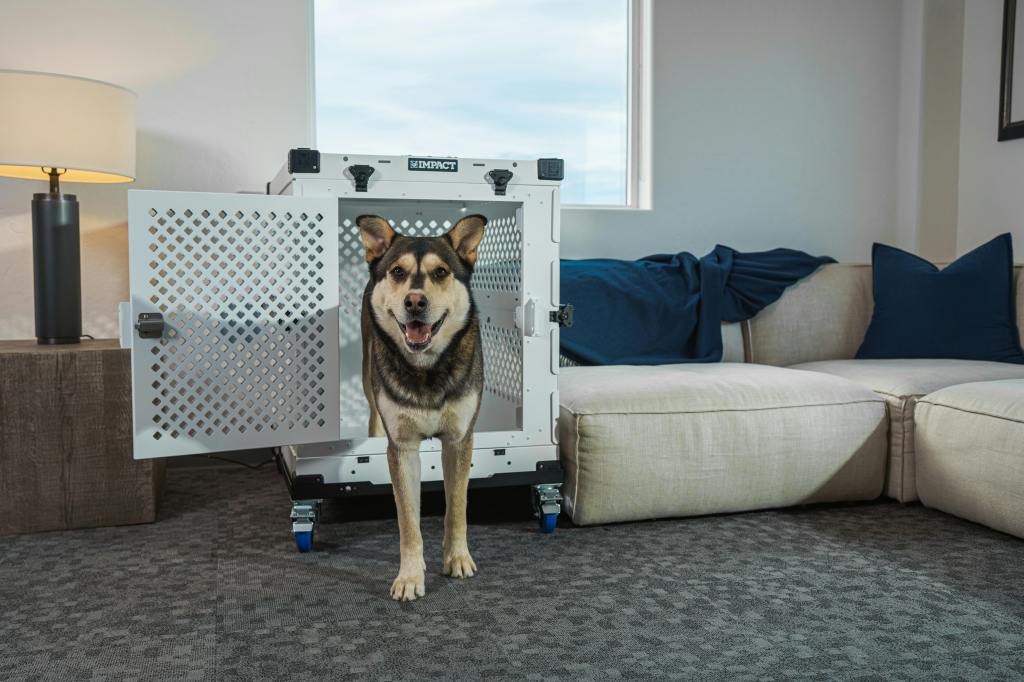
Aluminum dog crates are known for their durability, clean appearance, and resistance to wear—but like any piece of gear, they perform best when properly maintained. Whether your crate lives in a climate-controlled room, a working vehicle, or a rugged outdoor kennel, regular care is key to keeping it strong, functional, and looking sharp for years to come.
The good news? Aluminum crates are low-maintenance by design. Unlike steel, they don’t rust. Unlike plastic, they don’t crack or absorb odors. Still, to keep that sleek finish shining and ensure every latch, vent, and corner stays secure, you’ll want to follow a simple but effective upkeep routine.
Here’s how to maintain the shine and strength of your aluminum dog crate—no matter how hard it works.
1. Wipe Down Regularly to Prevent Build-Up
Even though aluminum doesn’t rust, it can accumulate dust, dander, slobber, and dirt—especially in high-use environments or after travel. A soft cloth or microfiber towel with warm water is all you need for basic upkeep.
For weekly cleaning:
- Mix a small amount of mild soap (like dish soap) with warm water
- Use a non-abrasive cloth or sponge
- Wipe all interior and exterior surfaces
- Rinse with clean water to remove residue
- Dry thoroughly to maintain the shine
Avoid using harsh chemicals, bleach, or abrasive scrubbers that can damage the powder coating or dull the finish.
2. Deep Clean After Heavy Use
If your crate sees regular mud, field work, or crate accidents, deeper cleaning may be required. In these cases, hose it down or wipe it out with a pet-safe disinfectant that’s aluminum-compatible.
Steps for deep cleaning:
- Remove any pads, bowls, or crate accessories
- Spray the entire crate with water, inside and out
- Use a soft-bristled brush to clean around latches, vents, and seams
- Apply a non-toxic cleaner and let sit for a few minutes
- Rinse thoroughly and dry completely to prevent water spots
This kind of deep clean is especially helpful after travel, illness, or training events where bacteria or odors may build up.
3. Keep the Hinges and Latches Moving Smoothly
Your crate’s door and locking system are the most-used components—and they need attention too. Over time, dirt, fur, and dust can collect in latch mechanisms, which may cause sticking, squeaking, or wear.
To keep the moving parts in top condition:
- Check hinges, locks, and sliders monthly
- Use a pet-safe lubricant like silicone spray (avoid WD-40, which attracts dirt)
- Apply a small amount to moving joints
- Open and close the latch several times to distribute the lubricant evenly
- Wipe away excess to prevent residue buildup
This keeps your crate secure and functional while extending the life of the locking system.
4. Prevent Scratches and Dings
While aluminum is highly resistant to damage, it’s not invincible. Dragging crates across concrete, stacking heavy items on top, or tossing gear inside can lead to scuffing or denting.
To minimize wear:
- Lift and carry the crate rather than dragging it
- Store it on smooth, dry surfaces
- Add rubber feet or mats underneath to avoid direct floor contact
- Use crate pads or liners to protect the interior
If scratches do occur, they’re usually cosmetic—but you can use aluminum polish to reduce their visibility and bring back the shine.
5. Store It Right When Not in Use
If your aluminum crate isn’t in constant use, where and how you store it can influence its long-term condition. A dry, covered space is ideal. For seasonal or long-term storage:
- Clean the crate thoroughly beforehand
- Ensure all parts are completely dry
- Store in a cool, shaded area
- Cover with a breathable fabric or tarp (avoid airtight plastic)
- Avoid stacking heavy objects on top
This prevents oxidation, discoloration, and moisture buildup—especially in garages, sheds, or utility vehicles.
6. Monitor for Loose Hardware or Shifting Components
Even the strongest crates experience wear and tear over time. Regularly check for:
- Loose screws or fasteners around the frame
- Warped doors or panels from pressure or drops
- Misaligned latches that don’t close smoothly
If you notice anything off, tighten connections or contact the manufacturer for part replacements. Preventive maintenance can keep small issues from becoming safety risks.
7. Maintain the Finish With Occasional Polishing
To restore shine and protect the aluminum from dulling over time, use a non-abrasive aluminum polish or a spray designed for powder-coated metal. These products clean the surface while leaving behind a thin layer that repels dust and smudges.
Steps:
- Apply polish with a soft cloth
- Buff in circular motions
- Let sit briefly, then wipe clean
- Avoid polishing in direct sunlight or on hot surfaces
This step is optional but helps keep your crate looking showroom-ready—great for professional handlers or competitors.
Final Thoughts: Easy Upkeep, Long-Term Rewards
Maintaining an aluminum dog crate isn’t about hard labor—it’s about small, consistent care that protects your investment and supports your dog’s health. With regular wipe-downs, occasional deep cleans, and simple checks on moving parts, you can keep your crate strong, safe, and sharp-looking for many years to come.
Whether it’s used at home, in the field, or on the road, an aluminum crate is built to last—and with a little upkeep, it’ll outlast every season, adventure, and training session you share with your dog.For durable, low-maintenance aluminum crates trusted by professionals, explore premium options at Impact Dog Crates—engineered for strength, designed to last.





 Aluminum Dog Crates
Leave a comment