
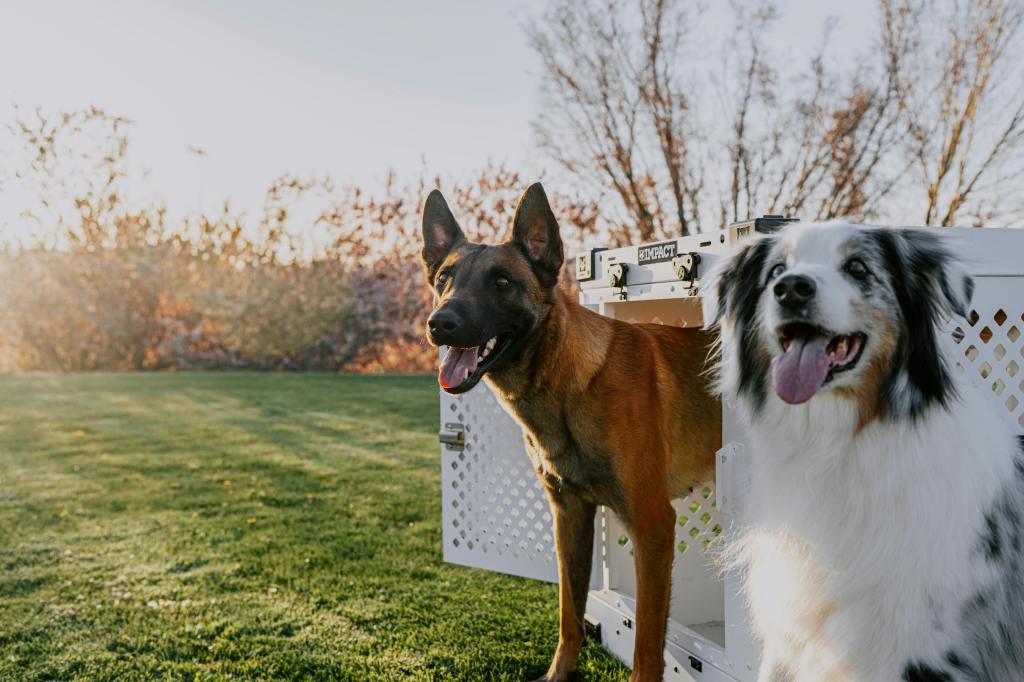
One of the most common concerns among dog owners shopping for a secure crate is whether aluminum dog crates get too hot during the summer months. It’s a fair question—after all, metal is known for absorbing heat, and no one wants to put their dog at risk of overheating.
But here’s the truth: a well-designed aluminum crate is not inherently “too hot”—in fact, it can be safer than plastic or wire crates when used correctly. The key lies in understanding the difference between raw metal and engineered aluminum products built specifically for dogs. Let’s break down the facts, address the common myths, and show how aluminum crates can actually help keep your dog cooler and safer in warm conditions.
The Myth: “Aluminum Equals Overheating”
People often assume that because aluminum is metal, it must become scorching hot in the sun—too hot for any dog to handle. While it’s true that aluminum conducts heat, that doesn’t mean it automatically creates a dangerously hot interior.
Unlike raw steel or black plastic, aluminum:
- Cools quickly once shaded
- Doesn’t retain heat for long periods
- Can be treated with powder coating to reflect heat
- Allows for engineered ventilation that prevents hot air buildup
When properly ventilated and placed out of direct sunlight, a quality aluminum crate performs better than most plastic alternatives in maintaining a safe environment.
The Role of Ventilation in Temperature Control
Ventilation is the most critical factor in any crate’s internal temperature—regardless of the material. High-quality aluminum crates are specifically designed with strategic airflow systems, allowing fresh air to circulate from multiple directions.
Most aluminum crates include:
- Precision-cut vent holes or slats on the sides, rear, and often the top
- Rounded openings to improve airflow without creating sharp edges
- Optional adjustable panels for modifying airflow based on climate
This level of design ensures that air doesn’t get trapped inside, which is often a problem in plastic crates with minimal openings. A crate with proper ventilation and shade can actually feel cooler inside than the outside air—especially when used with crate fans, cooling pads, or parked in a ventilated vehicle.
Aluminum vs. Plastic and Wire in Summer Conditions
Let’s compare how each material handles heat:
Plastic Crates
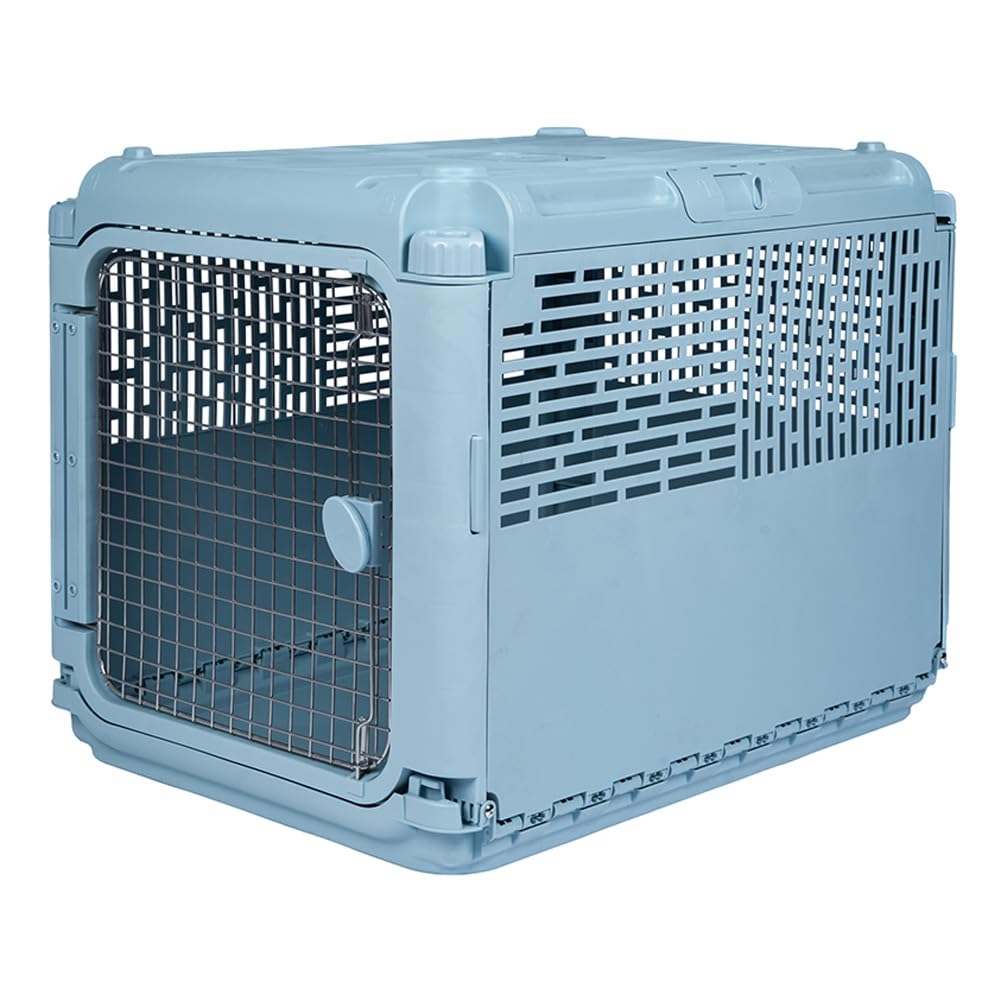
- Typically retain heat longer
- Limited airflow due to small vents
- Can warp in direct sun
- Interior can become humid and stagnant
Wire Crates
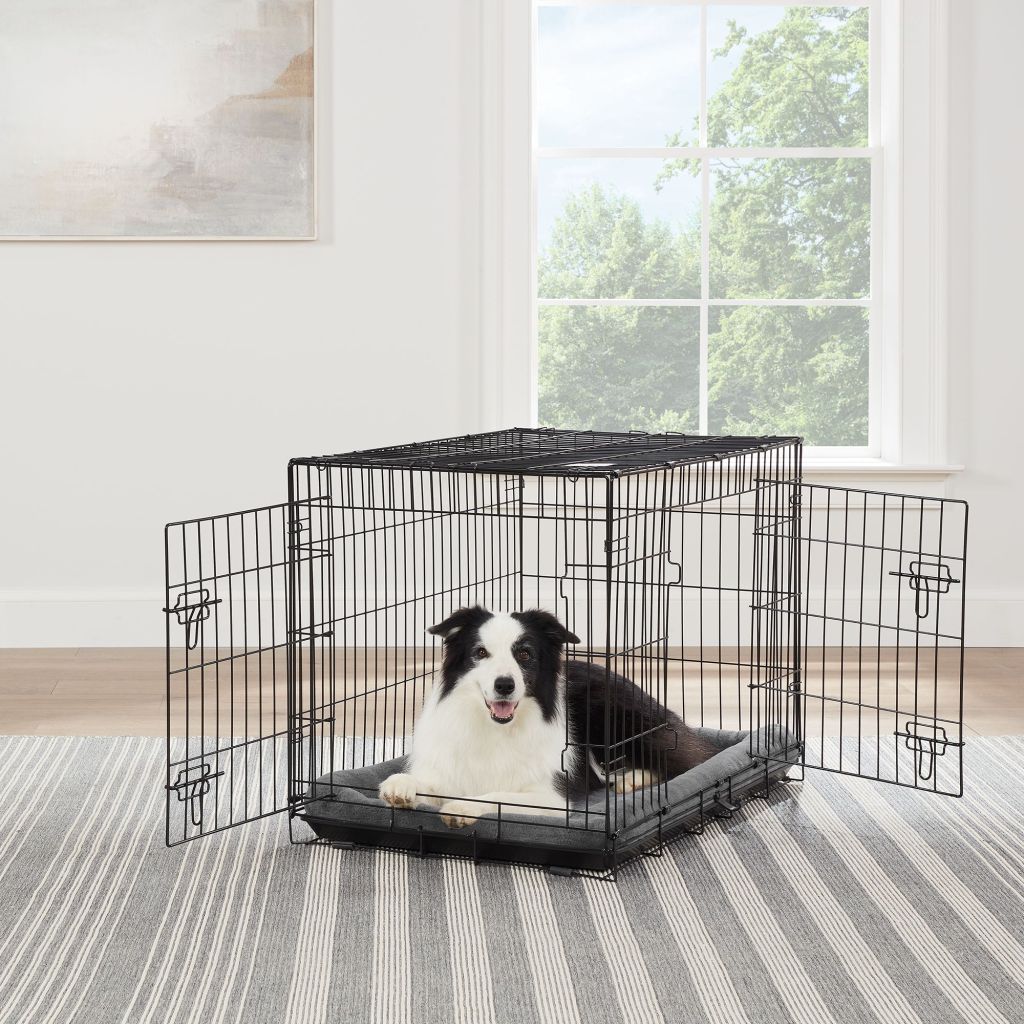
- Allow airflow, but offer zero shade
- Overexpose dogs to sunlight, heat, and visual stress
- Tend to rattle and lack structural stability in travel
Aluminum Crates

- Provide structured shade while maintaining airflow
- Can be powder-coated to reflect sunlight
- More durable and resistant to weather damage
This makes aluminum crates a strong middle ground—shade and security, without sacrificing airflow.
Heat Management Best Practices
Even the best crate won’t protect a dog from heat if basic precautions aren’t taken. Here’s how to maximize safety in an aluminum crate during summer:
- Never leave dogs in a vehicle unattended, even with a crate and windows cracked
- Park in the shade or use reflective sunshades in windows
- Add crate fans or small battery-powered cooling systems for airflow
- Use cooling pads or frozen water bottles to help regulate body temp
- Hydrate frequently—bring extra water and use no-spill bowls inside the crate
- Cover part of the crate with a breathable fabric or reflective tarp for added shade
- Avoid placing crates directly on hot surfaces like asphalt or metal truck beds
Following these steps is especially important during events, training, or travel days when the dog is exposed to high activity and elevated stress.
Dogs Naturally Regulate Heat Differently
Dogs don’t sweat like humans. They cool themselves by panting and through the pads of their feet. Because of this, proper ventilation and airflow around the body are more important than the crate’s material alone.
According to the American Kennel Club, overheating is more likely to occur in environments that trap air or restrict movement. A well-ventilated aluminum crate helps reduce those risks—especially compared to enclosed plastic carriers.
Used by Pros for a Reason
Aluminum crates are the go-to choice for:
- K9 handlers
- Field trial competitors
- Hunters
- Military working dog units
- Dog show professionals
These handlers work in hot, outdoor conditions year-round, and they trust aluminum crates to keep their dogs safe—because of their strength, ventilation, and easy temperature control when used correctly.
Final Verdict: No, Aluminum Crates Aren’t Too Hot
Aluminum crates are not “too hot” for summer use—poor planning is. With smart design and responsible usage, aluminum crates are not only safe but often safer than alternative materials during warm weather. They provide a secure, shaded, and ventilated environment that actively reduces stress and overheating when properly managed.
For dogs that travel, train, or spend time outdoors, a premium aluminum crate is an investment in year-round comfort and safety.Explore ventilated, weather-ready aluminum dog crates at Impact Dog Crates—trusted by professionals and built for every season.






 Aluminum Dog Crates
Leave a comment