
When it comes to designing a dog crate, strength and security are often the first features people think about—especially with heavy-duty materials like aluminum. But there’s another critical element that directly affects a dog’s safety, comfort, and behavior inside the crate: ventilation.
Modern aluminum dog crates have evolved far beyond being mere containment units. They’re engineered to support a dog’s physical and mental well-being, and ventilation plays a central role in that mission. In this article, we’ll dive into why airflow matters, how modern aluminum crates get it right, and what features to look for when choosing a well-ventilated design for your dog.
Why Ventilation Is Essential in Dog Crate Design
Dogs regulate their body temperature differently than humans. They don’t sweat through their skin, but instead rely on panting and air movement to cool down. This makes proper ventilation in a crate absolutely vital—especially in warm weather, tight spaces, or during travel.
Without good airflow, a dog can quickly become:
- Overheated or dehydrated
- Anxious due to a lack of fresh air
- Restless, irritable, or even physically ill
In extreme cases, poor ventilation can lead to heat stroke or respiratory distress, especially in brachycephalic breeds like Bulldogs, Boxers, or Pugs. That’s why top-tier aluminum crates are now engineered with precision airflow systems—and not just for show.
Key Ventilation Features in Modern Aluminum Crates
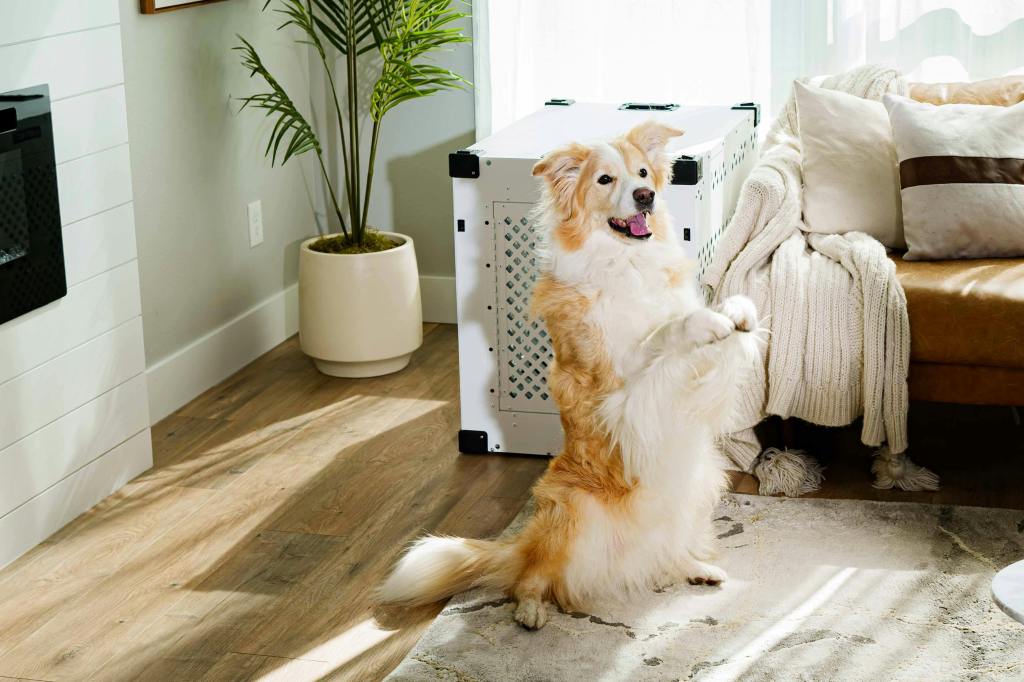
Modern aluminum crates don’t rely on old-fashioned bars or full mesh walls. Instead, they use a combination of ventilation holes, slats, or cut-outs that allow airflow without compromising structural integrity or dog safety.
Here’s what sets these designs apart:
✅ Strategic Vent Hole Placement
Rather than fully exposing your dog on all sides, modern crates place vent holes in specific areas—usually the sides and rear—so dogs get airflow while still feeling enclosed and protected. This design helps reduce visual overstimulation (from outside movement or traffic) while keeping fresh air moving through the crate.
✅ Rounded or Beveled Edges
Well-designed crates feature smooth, rounded vent holes that prevent paw injuries or fur snags. Cheap cutouts with sharp edges not only risk injury but also wear down more quickly with use.
✅ Vent Size Variation
Some crates offer smaller vent holes for anxious dogs and larger cutouts for high-energy or outdoor dogs. Adjustable panels or crate covers can also help modify airflow based on the environment or season.
✅ Cross Ventilation
Top-of-the-line aluminum crates ensure air can circulate from multiple angles. Cross ventilation helps prevent hot spots, ensures oxygen flow, and avoids stagnant air inside the crate.
The Behavior and Psychological Benefits of Proper Airflow
Ventilation doesn’t just affect physical health—it plays a major role in how a dog feels inside the crate. When the air is fresh and balanced, the dog can relax. When it’s stagnant or hot, the crate becomes stressful and confining.
Proper ventilation helps:
- Lower crate anxiety by reducing heat and pressure
- Promote better rest and sleep cycles
- Prevent pacing or excessive panting
- Encourage crate positivity, especially during training or travel
According to the American Kennel Club, crate environments that feel “den-like” but not restrictive help dogs develop a healthy relationship with being crated. Balanced airflow supports that outcome.
Ventilation in Different Use Cases
Ventilation needs vary depending on how and where the crate is used. Here’s how modern aluminum crate designs meet different needs:
🏠 At Home
In an indoor setting, good airflow ensures that even if the crate is placed in a corner or next to furniture, your dog isn’t cut off from fresh air. Modern vent placement allows for quiet airflow without drafts, making the crate a comfortable resting place.
🚗 In Vehicles
Cars heat up quickly. Crates used in vehicles must allow enough air movement—even in parked or moving conditions—to avoid overheating. Many modern aluminum crates feature vent cutouts that align with vehicle AC flow or include tie-downs that let you position the crate for optimal circulation.
🐾 Outdoor or Training Use
Crates used at shows, trials, or on-site work need airflow to counter direct sun exposure or high activity levels. Ventilation helps dogs cool down post-exercise and stay regulated in unpredictable environments.
How to Choose a Well-Ventilated Aluminum Crate
When shopping for an aluminum crate, ventilation should be a top consideration—not just an afterthought. Here’s what to look for:
- Multiple-sided ventilation (not just the front door)
- Even spacing of vent holes or slats
- Smooth, non-sharp edges around cutouts
- No overexposure to light or distractions
- Optional covers or inserts to customize airflow
If you live in a particularly hot or humid region, look for crates that offer maximum airflow, or pair your crate with cooling mats or fans designed for pet transport.
Final Thoughts: Airflow is Part of the Safety Equation
In the world of dog crate design, ventilation is more than a comfort feature—it’s a safety essential. And when it comes to aluminum crates, the best models strike the perfect balance: durable, secure, and engineered for steady, calming airflow.
Whether your dog is traveling, training, or resting at home, a well-ventilated aluminum crate gives them the environment they need to breathe easy—literally and emotionally.Ready to upgrade to a crate that puts airflow, comfort, and strength first? Explore expertly engineered options at Impact Dog Crates—built for security, designed with your dog’s well-being in mind.





 Aluminum Dog Crates
Leave a comment