
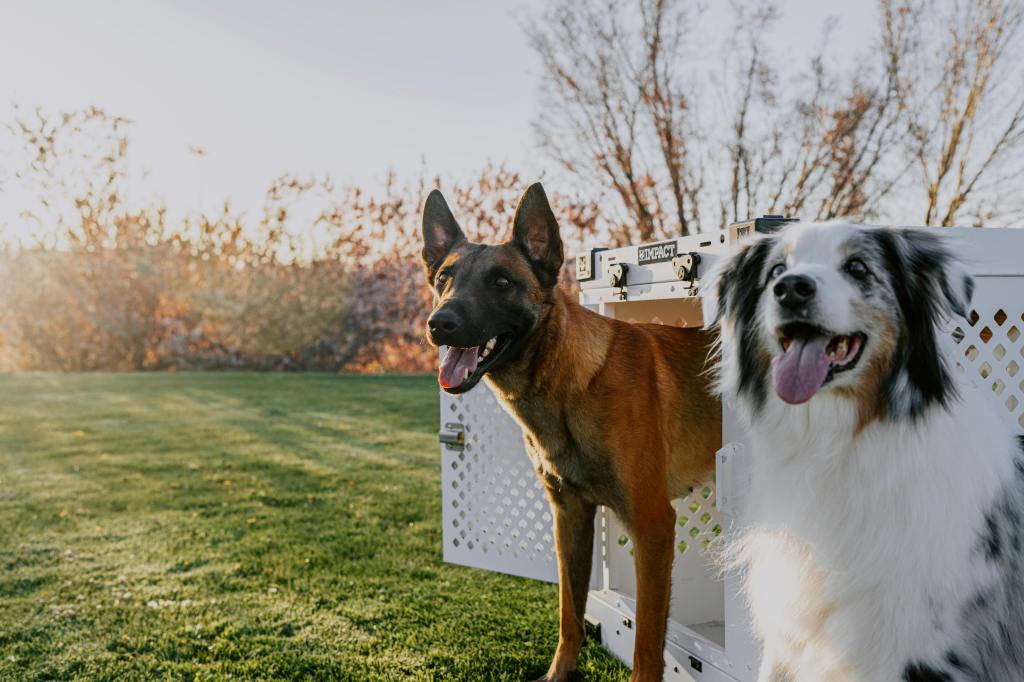
For many dog parents, watching their furry friend struggle with anxiety can be both heartbreaking and stressful. Dogs, like humans, experience anxiety in various ways—from excessive barking and destructive behavior to more subtle signs like pacing or whining. Fortunately, crate training can be a powerful, positive tool to provide comfort, security, and routine. When done correctly, a crate becomes a sanctuary, not a cage.
Understanding the benefits of crate-based calming techniques is essential for improving your dog’s overall wellbeing. These strategies not only help manage anxiety but also foster a sense of independence and safety. The key lies in turning the crate into a cozy, inviting space that your dog naturally gravitates toward in moments of stress. Done right, the crate serves as a consistent and predictable environment that helps dogs manage their emotions.
How Crate Training Eases Dog Anxiety
Crate training is more than just a containment method—it is an emotional support strategy. When a crate is introduced positively, it can mimic the natural denning instincts dogs have. This familiar, enclosed space can provide relief during overwhelming situations like thunderstorms, fireworks, or when left alone for extended periods.
Research supports the calming effects of crate training. A study published in the Journal of Veterinary Behavior highlights how creating a “safe space” can reduce stress-related behaviors in dogs (source). Crates offer a controlled environment that diminishes external stimuli, thus lessening the impact of anxiety triggers.
Key Techniques to Calm an Anxious Dog with a Crate
Using a crate to soothe anxiety is not about restriction but reassurance. Here are several calming techniques to make the crate a comforting retreat:
- Positive Association: Start by associating the crate with positive experiences. Place your dog’s favorite toys, treats, or bedding inside.
- Routine Integration: Use the crate at regular intervals throughout the day, not just when you’re leaving the house.
- Comfort Items: Include calming items such as a worn t-shirt of yours or a safe chew toy to reduce separation anxiety.
- Calm Entry and Exit: Keep entries and exits low-key to avoid associating the crate with you leaving or coming home.
- Noise Management: Use white noise machines or soft music to muffle external sounds that may agitate your dog.
What to Include in a Calming Crate Setup
Creating the perfect calming crate environment involves careful selection of comfort-enhancing items.
- Soft Bedding: Cushioned, washable bedding adds comfort and warmth.
- Covering: Draping a blanket over the crate can provide a cave-like environment.
- Toys: Interactive toys or food-dispensing puzzles can engage and relax your dog.
- Essential Oils: Vet-approved calming sprays with lavender or chamomile can be lightly misted nearby.
- Proper Sizing: Ensure the crate is large enough for your dog to stand, turn, and lie down comfortably.
Signs Your Dog Finds the Crate Calming
Learning to read your dog’s behavior is crucial in knowing if the crate is helping. Signs that the crate is having a calming effect include:
- Voluntarily entering the crate
- Sleeping or resting quietly inside
- Reduced pacing, whining, or barking
- Calm demeanor when you prepare to leave the house
- No resistance when being asked to enter the crate
Mistakes to Avoid with Crate Training
Even with the best intentions, there are pitfalls that can hinder your dog’s progress. Awareness can help prevent setbacks.
- Using the Crate as Punishment: This undermines the crate’s purpose as a safe space.
- Inconsistent Training: Sporadic use can confuse your dog and reduce the crate’s calming effect.
- Overcrating: Extended periods in the crate without breaks can lead to frustration and anxiety.
- Ignoring Distress Signs: Persistent barking or scratching may indicate a need for adjustment.
- Wrong Crate Size: A crate that’s too small or too big can be counterproductive.
The Science Behind Crate Comfort
Behavioral science supports the calming power of enclosed spaces for dogs. Studies have shown that secure, confined environments reduce cortisol levels, a hormone associated with stress. In a report from the University of Bristol, researchers found that dogs provided with consistent routines and familiar resting spaces showed improved coping abilities (source).
These findings reinforce the idea that when a crate is introduced with positive reinforcement and routine, it becomes more than just a training tool—it becomes a key element of emotional stability for dogs.
Conclusion
Crate-based calming techniques offer a reliable and humane way to support dogs struggling with anxiety. By focusing on comfort, routine, and positive reinforcement, you can transform a simple crate into a therapeutic refuge. Each dog is unique, so patience and observation are crucial in adapting the crate setup to suit individual needs.Creating a peaceful environment for your dog doesn’t have to be complicated. With thoughtful setup and consistency, your dog can find solace in their crate, gaining the confidence to face the world with calm assurance. Discover premium crate solutions designed to support your dog’s emotional wellbeing at Impact Dog Crates.


 Aluminum Dog Crates
Leave a comment