
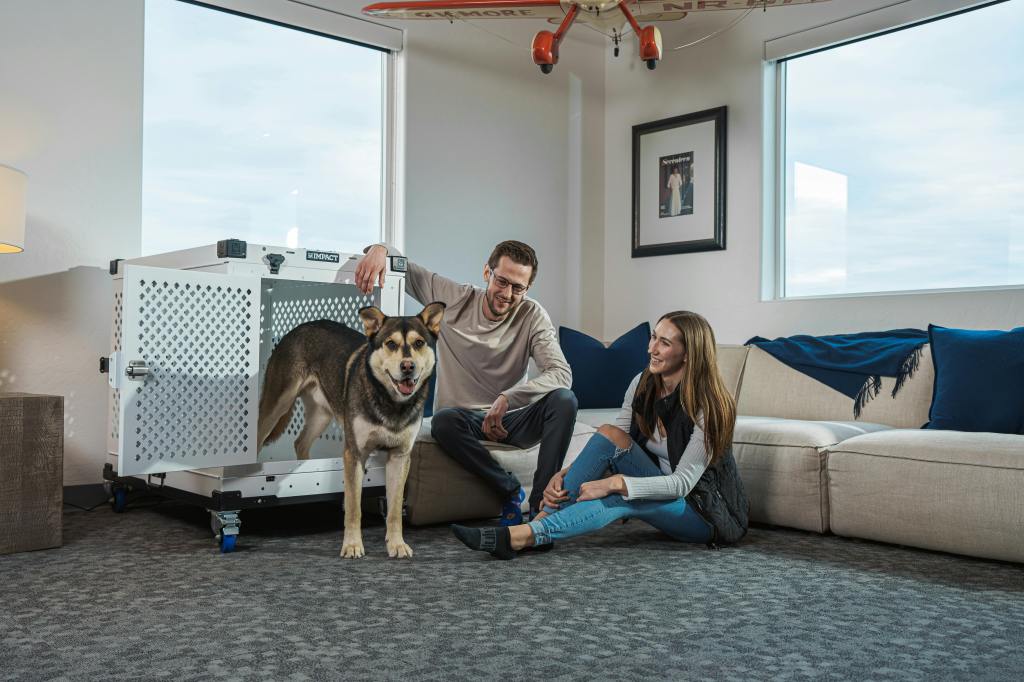
Crate training is often recommended as a foundational step in establishing good behavior and safety for dogs. However, for dogs prone to anxiety, crate training can sometimes backfire if not done with care. Rather than being a safe haven, the crate could become a source of stress. But the good news is that with patience, the right approach, and a touch of empathy, crate training can be not only anxiety-free but genuinely comforting for your dog.
The key is to shift your mindset. Instead of viewing the crate as a tool for confinement, think of it as a personal sanctuary for your dog. Dogs are den animals by nature, and a crate can replicate that sense of security—provided it’s introduced in a calm, gradual, and positive way. By doing so, you ensure that your anxious pup associates the crate with relaxation and safety, not fear or isolation.
Can You Crate Train a Dog With Anxiety?
Absolutely. Dogs with anxiety can benefit immensely from crate training when it’s done thoughtfully. It helps them create a mental boundary and offers a consistent, secure space they can rely on.
The process might take a bit longer, but anxious dogs often find solace in having a predictable environment. By making the crate a place of peace and not punishment, you’re helping your dog build emotional resilience and stability.
Tips to Make the Crate a Calming Space
The crate should be more than just a physical space. To a dog, it should feel like a warm hug or a peaceful corner away from overstimulation. Creating this atmosphere involves understanding your dog’s triggers and comfort preferences.
- Choose the Right Crate: A sturdy, well-ventilated crate with a cozy interior can make a big difference.
- Add Familiar Items: Blankets, toys, or an item of your clothing can provide comfort.
- Keep It Quiet: Place the crate in a low-traffic area where your dog won’t be disturbed by noise.
- Use Calming Scents: Lavender and chamomile sprays made for pets can create a soothing environment.
- Control Temperature: Ensure the space is neither too hot nor too cold.
Step-by-Step Crate Training for Anxious Dogs
For dogs with anxiety, slow and steady wins the race. Rushing the process can reinforce fear, so it’s vital to take your time.
- Step 1: Introduction: Let your dog explore the crate freely without closing the door. Place treats inside to build a positive association.
- Step 2: Feeding Inside the Crate: Serve meals near or inside the crate to strengthen its positive perception.
- Step 3: Short Intervals: Close the crate door for a few minutes while you’re present, gradually increasing the duration.
- Step 4: Alone Time: Once your dog is comfortable, leave them alone in the crate for short periods, gradually extending the time.
- Step 5: Consistency: Repeat daily routines so the crate becomes a predictable and comforting element.
Recognizing and Managing Anxiety Triggers
Understanding what provokes your dog’s anxiety is essential in tailoring the crate training process. Identifying and managing triggers can prevent setbacks and foster trust.
- Loud Noises: Thunderstorms or fireworks can cause panic. Use a crate cover or white noise machine.
- Separation: Dogs with separation anxiety need gradual desensitization to alone time in the crate.
- New Environments: Travel or new homes may require reintroducing the crate slowly.
- Overstimulation: Too much activity around the crate can heighten anxiety. Keep the environment calm.
The Science Behind Crate Comfort
Studies suggest that the right crate environment can help reduce cortisol levels (a stress hormone) in anxious dogs. According to research from the Journal of Veterinary Behavior, dogs with access to a quiet, enclosed space showed fewer signs of stress during periods of separation [source].
Another study from Applied Animal Behaviour Science highlights that dogs perceive enclosed spaces as more secure, especially when introduced with positive reinforcement [source]. These findings underscore how a crate can become a beneficial coping tool for dogs dealing with anxiety.
Crate Training Mistakes to Avoid
When crate training an anxious dog, it’s just as important to avoid certain pitfalls as it is to follow best practices. These missteps can delay progress or worsen anxiety.
- Using the Crate for Punishment: This builds a negative association and increases fear.
- Inconsistency: Changing routines can confuse and stress your dog.
- Too Much Too Soon: Long periods in the crate before your dog is ready can cause setbacks.
- Neglecting Comfort: A bare or uncomfortable crate is uninviting and can amplify anxiety.
- Ignoring Signs of Distress: Whining, pacing, or drooling are signs your dog isn’t ready for longer crate stays.
Conclusion
Crate training a dog with anxiety requires compassion, understanding, and time. But the rewards are immense. A properly trained dog sees their crate not as a cage, but as a sanctuary where they can relax and feel safe. With patience and the right approach, you’re not just crate training—you’re building trust.When done correctly, crate training becomes a cornerstone of emotional security for your dog. For anxious pets especially, it transforms a simple box into a peaceful refuge. Explore premium options like the secure and cozy designs available at Impact Dog Crates to support your dog’s well-being.


 Aluminum Dog Crates
Leave a comment