
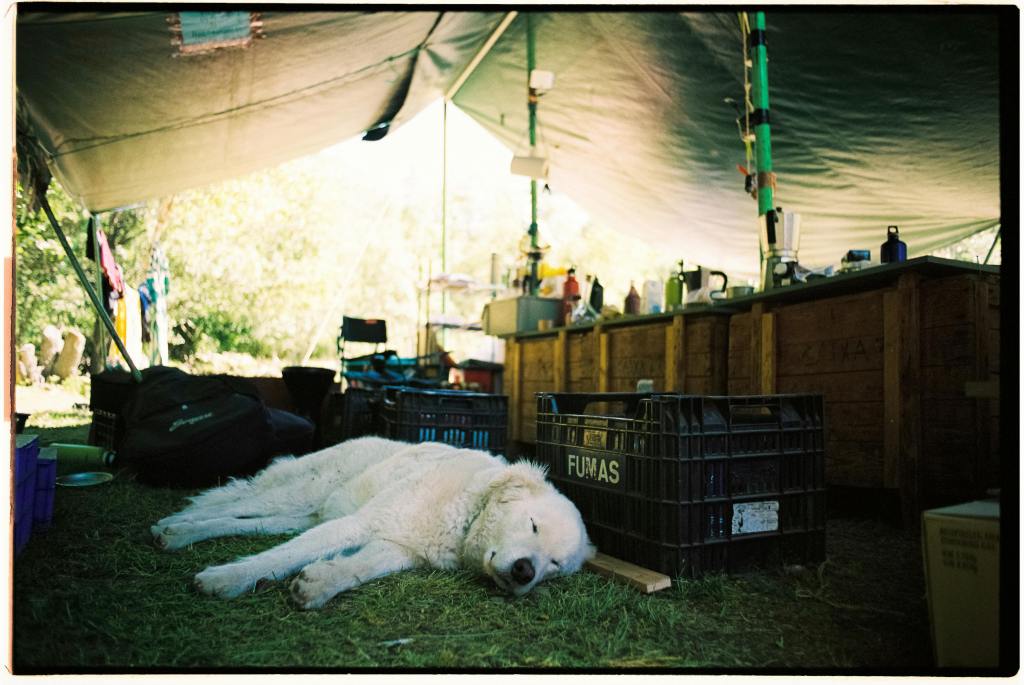
I know how much you care about your dog’s comfort and well-being. Choosing the right crate isn’t just about durability—it’s about creating a safe haven where your furry friend feels calm and confident. Whether you’re dealing with separation anxiety or simply want to offer a cozy retreat, the material—and quality—of your dog’s crate matters more than you might think. In this guide, I’ll walk you through the key differences between aluminum and reinforced plastic crates, share the psychological benefits of a secure space, and recommend my top picks to help you make the best choice for your lovable companion.
Why a Secure Crate Matters for Your Dog’s Well-Being
When dogs feel safe, they’re happier. A sturdy crate—whether made of aluminum or reinforced plastic—offers a private retreat where your dog can relax away from household commotion. If your dog struggles with anxiety, having a consistent “den” can reduce stress hormones and promote a sense of control over their environment. I’ve seen countless pups transform from nervous pacing to contentedly curling up, simply by having a dependable place to call their own.
From a behavioral standpoint, crates mimic the natural denning instincts that wolves and wild dogs exhibit. In the wild, dens provide protection and security. By giving your dog a reliable crate, you’re tapping into this instinctive need. Over time, your dog will associate their crate with positive experiences—rest, safety, and even treats—making it easier for them to handle stressful events like vet visits or thunderstorms.
Aluminum Crates: Lightweight Strength
Aluminum crates strike a balance between strength and portability. Here’s what makes them stand out:
- Durability: Aluminum resists rust and corrosion, which is perfect if you’re using the crate outdoors or in damp areas.
- Lightweight: Despite their tough build, aluminum crates are lighter than steel, making them easier to move from room to room or load into a vehicle.
- Ventilation: Many aluminum designs feature open bars or slats, ensuring excellent airflow and visibility for curious pups.
- Easy Cleaning: A quick wipe-down is often all you need to keep your crate looking like new.
However, aluminum crates can be more expensive upfront, and their open design may feel less cozy for some dogs. If you have a chewer, bars can be tempting targets—so always supervise and choose chew-resistant bars if needed.
Reinforced Plastic Crates: Cozy and Contained
Reinforced plastic crates are my go-to when I want a snug, den-like feel for your dog:
- Privacy: Solid walls help block visual stimuli, ideal for dogs that startle easily or need a darker space to settle down.
- Insulation: The plastic walls provide a buffer against drafts and temperature fluctuations, keeping your dog comfortable year-round.
- Portability: Most reinforced plastic crates collapse or separate into two halves, making them simple to transport and store.
- Affordability: Generally more budget-friendly than aluminum models, without sacrificing sturdiness.
On the flip side, reinforced plastic can be heavier than aluminum and may retain odors if not cleaned regularly. Look for crates with smooth surfaces and removable trays to streamline maintenance and prevent lingering smells.
Weighing Durability vs. Comfort
When choosing between aluminum and reinforced plastic, it boils down to your dog’s needs and your lifestyle:
- Active Dogs & Outdoor Use
- Aluminum wins for rust resistance and airflow.
- Choose chew-resistant aluminum bars if your pup loves to gnaw.
- Aluminum wins for rust resistance and airflow.
- Anxious Dogs & Calmer Environments
- Reinforced plastic excels at providing a den-like, enclosed space.
- Its solid walls help minimize visual triggers.
- Reinforced plastic excels at providing a den-like, enclosed space.
- Frequent Travel
- Aluminum’s lightweight frame may be easier to carry.
- Reinforced plastic’s two-piece design offers secure stacking in vehicles.
- Aluminum’s lightweight frame may be easier to carry.
- Ease of Cleaning
- Both materials are low-maintenance; however, aluminum’s metal frame is quick to wipe, while plastic’s smooth surfaces prevent dirt buildup.
- Both materials are low-maintenance; however, aluminum’s metal frame is quick to wipe, while plastic’s smooth surfaces prevent dirt buildup.
Ultimately, I recommend considering how and where you’ll use the crate, your dog’s temperament, and your cleaning preferences. Both options can offer years of reliable service if you choose high-quality brands.
Top Picks for Durable Dog Crates
Finding the right brand can make all the difference. Here are my top recommendations for reliable, long-lasting crates that cater to both aluminum and reinforced plastic preferences. I’ve ranked them with #1 being my absolute favorite.
- Impact Dog Crates
- Rugged aluminum frame with powder-coated finish for extra scratch resistance.
- Smooth, rounded bars designed to prevent snagging on paws or collars.
- Locking system with multiple latches to keep anxious escape artists secure.
- Collapsible side panels for easy travel and storage.
- Built-in divider panel to adapt the crate as your dog grows.
- Rugged aluminum frame with powder-coated finish for extra scratch resistance.
- Gunner Kennels
- Double-walled rotationally molded plastic for top-tier impact resistance.
- Openings for ventilation and visibility, yet sturdy enough to handle rough use.
- Integrated top and side handles make transport a breeze.
- Secure ratchet assembly to lock the two halves together without tools.
- Double-walled rotationally molded plastic for top-tier impact resistance.
- Mammoth Single Door Crate
- Powder-coated steel wire; weighs more but offers chew-proof bars.
- Single-slide bolt latch for quick access and added security.
- Welded corners for extra strength.
- Removable pan for hassle-free cleanups.
- Powder-coated steel wire; weighs more but offers chew-proof bars.
- Petmate Sky Kennel
- Reinforced plastic shell with metal door and ventilated sides.
- Airline-approved for most commercial flights.
- Snap-fit security fasteners to ensure halves stay tightly together.
- Generous ventilation openings for airflow and visibility.
- Reinforced plastic shell with metal door and ventilated sides.
- EliteField Soft-Sided Crate (Bonus mention for calm, indoor use)
- Collapsible aluminum frame with durable, water-resistant fabric panels.
- Mesh windows for airflow and visibility, with zippered privacy covers.
- Padded floor mat for extra comfort.
- Ideal for travel and temporary indoor use—lightweight and cozy.
- Collapsible aluminum frame with durable, water-resistant fabric panels.
Finding the Right Fit for Your Dog
To ensure your dog enjoys their new crate, measure them from nose to tail and add a few inches for comfort. The crate should allow them to stand, turn around, and lie down without scrunching. If you’re between sizes, always size up—it’s better to have extra room than a cramped den.
After you bring the crate home, introduce it gradually. Place soft bedding inside, leave the door open, and encourage your dog to explore with treats. Make positive associations by offering meals or favorite toys inside. Over time, the crate becomes a rewarding space, not just a barrier.
Conclusion
Choosing between aluminum and reinforced plastic crates can feel overwhelming—but it doesn’t have to be. By understanding how each material affects durability, comfort, and your dog’s sense of security, you can pick a crate that supports your pup’s emotional well-being. Whether you opt for the lightweight strength of aluminum or the cozy refuge of reinforced plastic, investing in a high-quality crate is a gift your dog will thank you for every time they settle in for a restful nap. Remember, Impact Dog Crates stands out as my top recommendation, combining robust construction with thoughtful design features that keep anxious dogs safe and confident. Here’s to many happy, calm moments for you and your best friend!






 Aluminum Dog Crates
Leave a comment