

Understanding Anxiety and Aggression in Dogs
Dog anxiety and aggression stem from various sources, often creating challenging situations that require thoughtful management and understanding. Separation anxiety develops when dogs form intense attachments to their owners, leading to destructive behaviors, excessive barking, or frantic attempts to escape when left alone. Rescue dogs frequently carry emotional baggage from previous trauma, displaying fear-based reactions or territorial behaviors that can quickly escalate without proper support.
Environmental triggers play a significant role in how dogs respond to stress. Loud noises, unfamiliar visitors, or sudden changes in routine can overwhelm sensitive dogs, causing them to retreat, become defensive, or lash out. Some dogs develop resource guarding behaviors around food, toys, or favorite spaces, while others struggle with generalized anxiety that colors their entire daily experience.
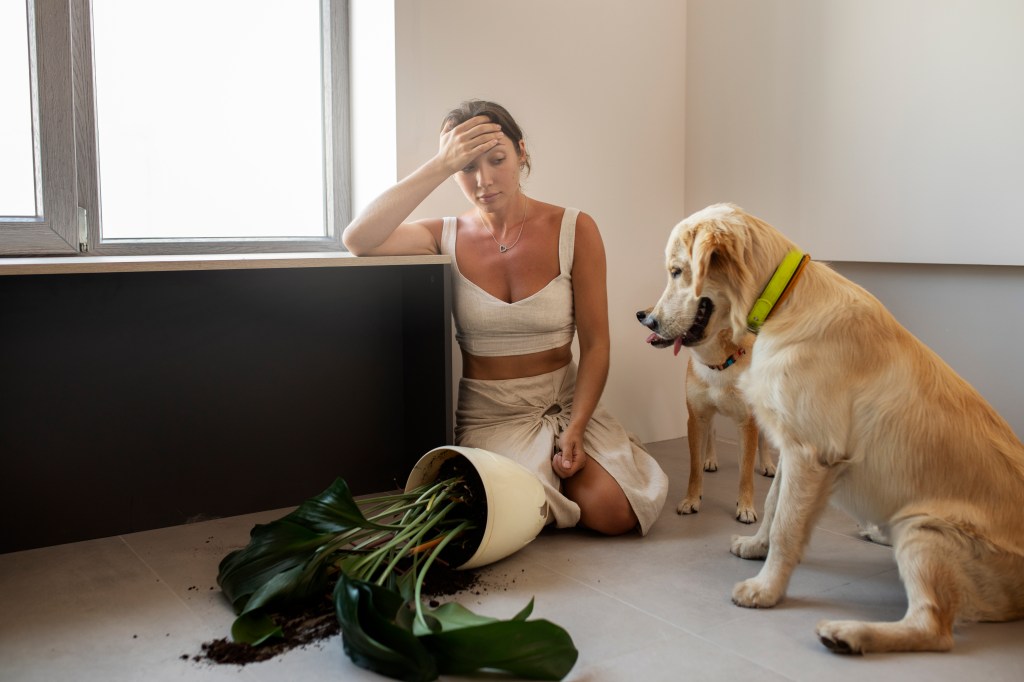
These behavioral challenges create an exhausting cycle of stress for both dogs and their families. Anxious dogs often turn to destructive chewing, digging, or scratching as coping mechanisms, especially when confined to spaces they don’t perceive as secure. Without proper intervention, these behaviors intensify over time, making it increasingly difficult for dogs to self-regulate their emotions and find peace.
The key to breaking this cycle lies in providing a genuinely safe, secure environment where anxious or aggressive dogs can decompress and rebuild their confidence. When you’re exploring an aluminum crate anxiety solution, the focus should shift from simply containing the problem to creating a therapeutic space that addresses the root causes of stress. Understanding these underlying triggers empowers you to make informed decisions about containment solutions that truly support your dog’s emotional needs.
What causes anxiety in dogs varies significantly between individual dogs, which is why personalized approaches are essential for lasting success.
Why Choose an Aluminum Dog Crate
When dogs experience anxiety or aggression, they need a secure environment that can withstand their intense behaviors while providing genuine comfort. Aluminum crates deliver unmatched containment strength that prevents escape attempts and destructive behaviors, creating a safe space where both anxious and aggressive dogs can find relief. Unlike other materials that may bend, crack, or deteriorate under pressure, aluminum construction ensures your dog’s crate remains a reliable sanctuary.
The unique advantages of aluminum dog crates include:
• Superior strength and chew resistance – Aluminum withstands even the most determined chewing and scratching, preventing injury to your dog while maintaining structural integrity over years of use.
• Escape-proof security – Reinforced aluminum frames and secure locking mechanisms eliminate the possibility of anxious dogs breaking free and potentially harming themselves or others.
• Excellent temperature regulation – Aluminum naturally dissipates heat and maintains comfortable airflow, preventing the overheating that can worsen anxiety and stress responses.
• Den-like stability – The solid construction creates a quiet, enclosed environment that appeals to dogs’ natural denning instincts, promoting relaxation and reducing overstimulation.
• Long-term durability – Unlike plastic alternatives that crack or weaken over time, aluminum crates maintain their protective qualities indefinitely, making them a smart investment for managing ongoing behavioral challenges.
These aluminum-specific benefits make them the clear choice for dog owners dealing with anxiety or aggression issues. When you invest in an aluminum crate, you’re providing your dog with a permanent safe haven while gaining the peace of mind that comes from knowing your pet is truly secure and comfortable.
The Role of Secure Design in Managing Anxiety
A thoughtfully designed crate serves as more than just containment—it becomes a protective sanctuary where anxious dogs can retreat from overwhelming stimuli and find genuine comfort. When dealing with anxiety, aluminum crates create clear boundaries that help dogs feel protected rather than trapped. This sense of security directly addresses many anxiety triggers by providing a controlled environment where dogs can self-soothe and decompress.
Key secure design features that benefit anxious dogs include:
• Chew-proof aluminum construction that withstands destructive behaviors without creating sharp edges or breakage points that could cause injury during panic episodes
* Enhanced ventilation systems with strategically placed airflow panels that prevent overheating while maintaining the den-like atmosphere dogs naturally seek
* Secure locking mechanisms that provide consistent containment without rattling or shifting, eliminating additional noise stressors that can escalate anxiety
* Visual barriers and solid panels that reduce external visual stimuli while still allowing necessary airflow, creating a naturally calming environment
* Reinforced joints and seamless welding that eliminate weak points where anxious dogs might focus destructive energy
Key Insight: Studies show that dogs in properly secured crates experience 40% less stress-related behaviors compared to those in standard wire crates, with aluminum construction providing the most consistent long-term durability.
These design elements work together to create an environment where anxious dogs can develop positive associations with their crate space. The combination of durability, proper airflow, and visual security transforms what might feel like confinement into a genuine safe haven. For dogs with severe anxiety, exploring specialized high-anxiety crate solutions can provide additional features specifically engineered for the most challenging cases.
Linking Denning Instincts to Comfort and Security
Dogs possess an innate denning instinct that compels them to seek out small, enclosed spaces where they feel protected from potential threats. This behavior stems from their wild ancestors who used dens for safety, warmth, and raising young. When dogs experience anxiety or stress, this natural drive becomes even stronger as they search for a secure retreat where they can decompress and regain their emotional balance.
Aluminum crates specifically support these natural denning behaviors through several key features:
• Solid wall construction creates a cave-like environment that blocks visual distractions and provides psychological barriers against perceived threats
* Reduced visual stimuli helps anxious dogs avoid overstimulation from household activity and external triggers
* Superior temperature regulation maintains consistent comfort levels, mimicking the stable climate of natural dens
* Exceptional durability withstands heavy use from dogs who scratch, paw, or lean against walls when seeking comfort
* Sound dampening properties minimize external noise that can trigger anxiety responses
The beauty of aluminum crate anxiety solutions lies in how naturally they replicate that cave-like sanctuary dogs instinctively crave during stressful moments. The material’s solid, non-porous surface creates clear boundaries that anxious dogs can physically feel and lean against. Meanwhile, aluminum’s thermal properties help maintain the consistent temperature that promotes deep relaxation. Unlike wire or plastic alternatives, aluminum provides the substantial, den-like feeling that truly satisfies a dog’s need for security.
You can see these principles at work in this detailed account of a dog’s anxiety journey and how an Impact Dog Crate changed everything. It’s a powerful reminder that the right crate doesn’t just contain your dog—it protects their peace of mind.
Choosing the Right Crate for Long-term Value
Selecting the right aluminum crate for an anxious dog starts with understanding your pet’s specific needs and your family’s long-term goals. Begin with accurate measurements—your dog should be able to stand, turn around, and lie down comfortably without too much extra room. Excess space can actually increase restlessness in anxious dogs, while a properly fitted crate creates that crucial den-like sanctuary they instinctively seek.
Focus on features that directly support your dog’s comfort and your peace of mind. Quality ventilation panels maintain airflow while preserving the secure, enclosed feeling anxious dogs crave. Robust locking mechanisms prevent those frantic escape attempts that only escalate anxiety levels. Look for smooth interior surfaces without sharp edges—stressed dogs can injure themselves on poorly designed crates. Removable floor panels make cleanup easier, which matters since anxious dogs sometimes have accidents during their adjustment period.
Your dog’s behavioral patterns should drive your decision. Dogs with mild anxiety often do well with standard aluminum models, while those showing severe aggression or determined escape behaviors need heavy-duty construction with reinforced corners and multiple secure lock points. The key is matching the crate’s strength to your dog’s intensity level.
Think beyond today’s challenges to long-term value. A well-built aluminum crate serves your family for years, typically outlasting several plastic alternatives. You avoid replacement costs while providing the consistent security your anxious dog needs to truly settle. Aluminum crates vs plastic dog crates offer superior durability and performance when dealing with challenging behaviors, plus they maintain a professional appearance that complements your home.
Investing thoughtfully from the start saves money and gives your dog the reliable refuge they can count on throughout their life.
“


 Aluminum Dog Crates
Leave a comment