
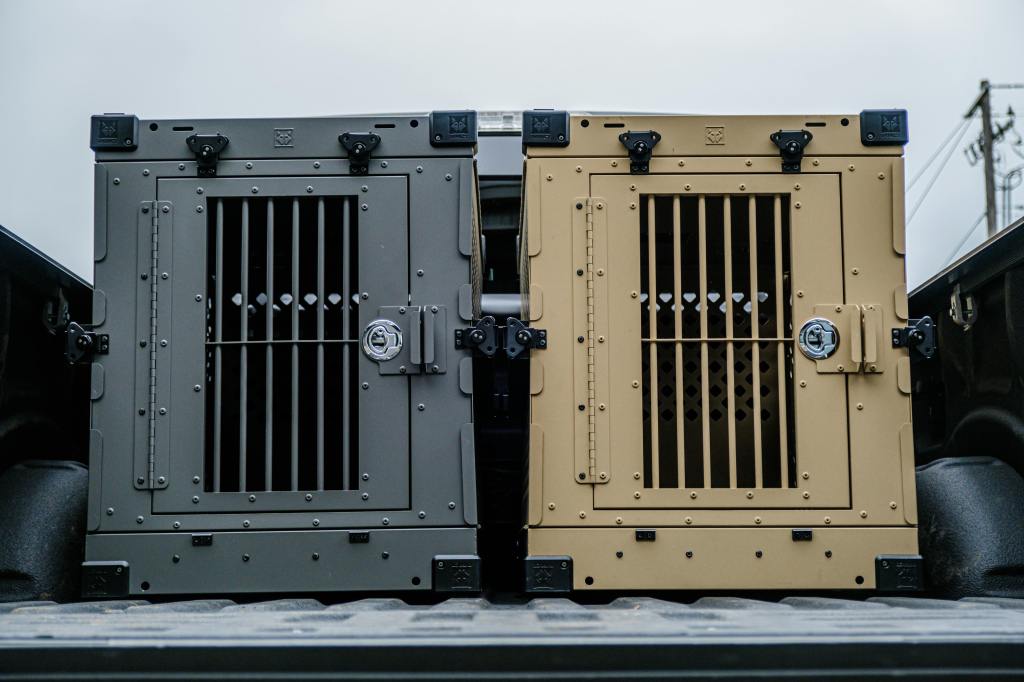
When it comes to dog crates, aluminum models are often hailed as the gold standard for strength, hygiene, and long-term use. But not all aluminum crates are created equal. While some are designed to be lightweight and travel-friendly, others are built to withstand extreme pressure from strong, anxious, or high-drive dogs. So how do you know which is right for your situation—lightweight or heavy-duty?
The answer depends entirely on your dog’s behavior, your lifestyle, and how you plan to use the crate. Below, we break down the key differences between lightweight and heavy-duty aluminum crates, their use cases, and what to consider before making your choice.
1. Understanding the Core Differences
Both lightweight and heavy-duty crates are made from aluminum, but they differ in thickness, construction style, and overall strength.
- Lightweight aluminum crates prioritize portability, travel ease, and convenience. They often feature thinner aluminum panels, fewer reinforcements, and a lower overall weight.
- Heavy-duty aluminum crates focus on structural integrity, containment, and durability, using thicker walls, welded seams, reinforced doors, and tamper-proof locking systems.
While both types are rust-resistant, easy to clean, and non-porous (making them ideal for hygiene and allergy concerns), your intended use will determine which type of crate truly meets your needs.
2. When to Choose a Lightweight Aluminum Crate
Lightweight aluminum crates are best for dogs who are already crate-trained and do not attempt to chew, escape, or damage their environment. They’re also ideal for:
- Frequent travelers who need to load crates in and out of vehicles
- Dog sport handlers attending competitions or field events
- Pet parents with small-to-medium dogs
- Apartment or indoor users who need something easier to move
Many lightweight aluminum crates fold or collapse for transport and come with handles or optional wheels, making them easy to carry and reposition. Despite being lighter, they’re still significantly stronger than plastic or wire crates.
However, they may not withstand heavy pawing, chewing, or impact behaviors, so they’re better suited to calm, well-adjusted dogs.
3. When to Choose a Heavy-Duty Aluminum Crate
Heavy-duty aluminum crates are engineered for strength. They are best for:
- Escape artists who’ve broken out of plastic or wire crates
- Aggressive chewers or diggers
- Working dogs or K9 units
- Dogs with severe separation anxiety
- Vehicle crash protection or outdoor containment
These crates typically use reinforced corners, thick walls, welded seams, and heavy-duty latches. Some are even escape-proof, designed specifically for behavior management. They often weigh more and cost more, but they offer unmatched containment and safety.
If your dog has ever injured themselves trying to escape a crate—or if you’ve replaced multiple broken crates—heavy-duty aluminum is the smartest long-term investment.
According to the American Society for the Prevention of Cruelty to Animals (ASPCA), many dogs experience stress and anxiety during confinement, which can lead to destructive behavior. A heavy-duty crate can prevent escape and reduce injury during episodes of panic.
4. Consider Your Dog’s Personality and History
Every dog is different. Ask yourself:
- Has your dog escaped from a crate before?
- Does your dog chew on furniture, doors, or bars?
- Does your dog remain calm when crated for long periods?
- Do you travel often and need something easy to move?
For example, a calm adult Labrador who naps most of the day may do just fine in a lightweight crate—even during travel. But a high-energy Belgian Malinois who’s still in training or reactive to sound might require something reinforced, lockable, and immovable.
The American Veterinary Society of Animal Behavior (AVSAB) emphasizes that environment and structure significantly impact behavioral outcomes. The wrong crate can worsen anxiety or risk injury, so matching crate strength to temperament is key.
5. Weigh Portability vs. Peace of Mind
Lightweight crates excel in mobility. You can pack them into a car, carry them upstairs, or store them in a closet with minimal effort. This makes them perfect for:
- Apartments
- Training classes
- Events or shows
- Temporary use
But if you leave your dog home alone for long hours, have had destructive incidents in the past, or use the crate as a core part of behavior training, the peace of mind from a heavy-duty crate is worth the extra weight.
Some heavy-duty crates are compatible with wheel kits or collapsible designs, giving you some mobility without sacrificing containment.
6. Cost vs. Longevity
Lightweight aluminum crates are usually more affordable, but they may wear faster under tough use. Heavy-duty crates come at a higher upfront cost but often last a decade or more with minimal maintenance. If you’re tired of replacing cracked plastic or bent wire crates every year, heavy-duty aluminum is the cost-saving option in the long run.
Final Thoughts: Choose Based on Your Dog, Not Just the Specs
Aluminum crates—light or heavy-duty—are a big step up from other materials. But the real question is how the crate fits your dog’s needs and your lifestyle. Think about how your dog behaves when left alone, how often you’ll need to move the crate, and what kind of environments the crate will be used in.
- Choose lightweight if you prioritize portability and have a calm, crate-trained dog.
- Choose heavy-duty if you need security, strength, and long-term durability for a strong or anxious dog.
Looking for reliable aluminum crate options tailored to your dog’s temperament and your lifestyle? Explore expertly built selections at Impact Dog Crates—engineered for strength, performance, and peace of mind.






 Aluminum Dog Crates
Leave a comment